
There is no defensible universal Dimraeth S-to-D class ranking in the material used for this guide. Early Access offers nine race–class combinations, and the available examples differ in progression, equipment, party support and player familiarity. Assigning letters would hide those differences rather than answer which character fits your next playthrough.
You can still compare the supported directions below. Use the comparison to choose what to try; use the Dimraeth class guide for their concrete interactions.
Dimraeth class comparison without invented tiers
| Direction | Reason to consider it | Main condition |
|---|---|---|
| Human Mage Burning | Effect-based spell sequencing with a sword-and-crossbow kit | Maintain ordinary-hit recovery and organise Burning application and consumption |
| Minotaur Brawler Bleed | Deliberate melee with developing mobility and effect payoffs | Keep the generator, spender and movement choices from one actual configuration |
| Shadow Bleed | Positioning and follow-up play | Account for how the opening and survival support are created |
| Minotaur Brawler Blunt control | A described conversion that supports stun buildup | Obtain the relevant keystone; do not assume permanent boss control |
This table is not a complete evaluation of all nine combinations. It lists directions with concrete supporting examples while leaving untested pairings unranked.
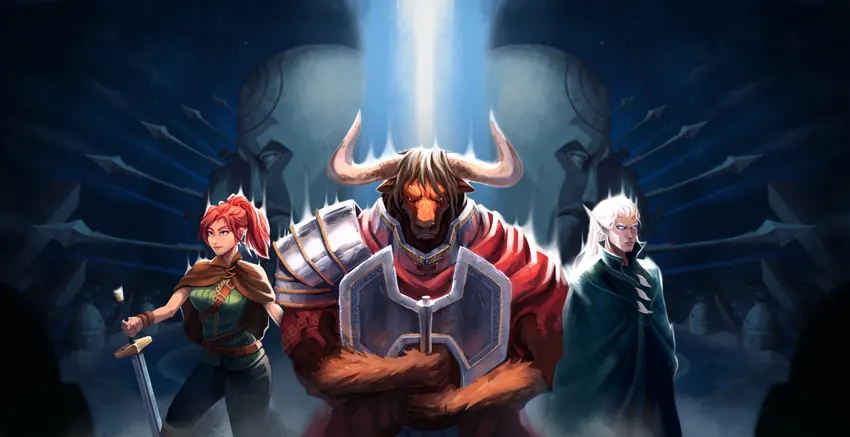
Race contributes to the combat kit, so a ranking that names only a class leaves out part of the character being compared.
A class label is not a complete build
Human Mage and Elf Mage can share class spells while having different basic weapon rhythms and archetype support. Minotaur Brawler can pursue different interactions within the same pairing. A class-only ranking cannot describe all of those configurations at once.
Equipment and spellbooks further change what a character can do. A developed character with a useful set effect should not be compared with a fresh one as though the only difference were class strength.
The Dimraeth classes guide explains the roster, while the Dimraeth races guide covers the basic-kit differences. Start there if a ranking assumes that Mage automatically means ranged-only combat or Minotaur automatically means Brawler.
Common reasons a build looks weak
An unfamiliar skill can be used incorrectly, a required resource generator can be missing and an action that needs a second input can appear ineffective before the player understands it. Those are execution or configuration problems, not sufficient evidence for a low class tier.
Co-op also changes the opportunity to attack. A teammate holding attention or supplying an effect can make a sequence look much easier. Removing that support changes the case and should change the comparison.
Before rejecting a class, check the actual input, resource loop, active slots and intended opening. Before recommending it as the strongest, compare those same conditions across alternatives.
What a useful ranking would need
A reliable comparison would identify the game version, race–class pairing, progression, point allocation, equipment, spells, target encounter and solo or party conditions. It would also explain whether the ranking rewards beginner comfort, clear speed, control or another goal.
Those records are not complete here, so no letter grades are supplied. A fit-based choice is still possible: select a basic kit you enjoy, choose an interaction you can explain and test it in a familiar encounter. That gives you a usable next step without disguising incomplete comparisons as measured results.